Explore the Advantages of Utilizing a Fillet Knife for Flawlessly Ready Fish Dishes
Using a fillet knife in fish preparation uses unique benefits that can substantially improve the cooking procedure. Its distinct style offers the accuracy needed to skillfully browse the shapes of the fish. This not only help in achieving tidy cuts but additionally protects the fragile structure of the meat. As one takes into consideration these benefits, it ends up being apparent that understanding this tool might elevate one's cooking abilities to brand-new heights. What techniques can further enhance this experience?
Recognizing the Layout of a Fillet Knife
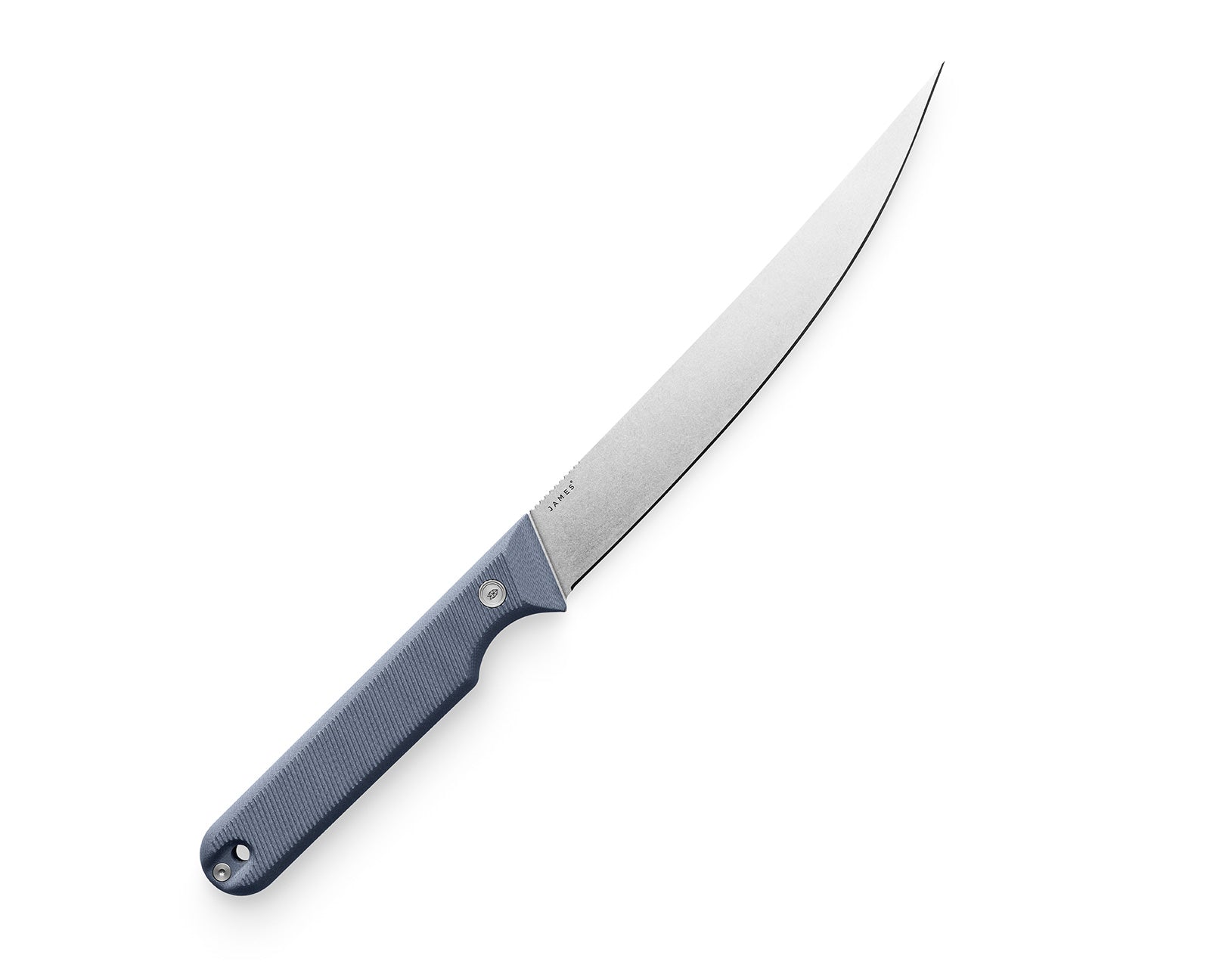
A fillet knife is especially engineered for the fragile task of filleting fish, including a long, flexible blade that permits accurate cuts along the contours of the fish. This design is crucial for achieving tidy, smooth fillets while minimizing waste. The blade typically ranges from 6 to 9 inches in size, offering the convenience needed for different fish sizes. The thinness of the blade contributes to its capacity to glide effortlessly between the skin and flesh, guaranteeing that the meat continues to be undamaged. In addition, the handle of a fillet knife is commonly ergonomically developed for a safe grasp, enhancing individual convenience during prolonged usage. Lots of fillet knives additionally boast a non-slip surface to boost handling, also when damp. Jointly, these design elements make the fillet blade an important tool for both specialist cooks and home chefs, making certain reliable and reliable fish prep work.
Boosted Accuracy and Control
Filleting fish needs a level of precision and control that only a specialized device can give. A fillet knife, with its slim, flexible blade, enables the individual to browse the delicate contours of the fish with ease. This distinct design minimizes the risk of tearing the flesh, resulting in clean, consistent fillets. The conical factor of the blade aids in getting involved in limited rooms, such as along the backbone and around the ribcage, guaranteeing that no meat is lost. Furthermore, the ergonomic deal with provides a protected hold, improving control during the filleting procedure. With the capability to make accurate cuts, the fillet knife allows cooks to attain professional-quality results at home. This improved precision not just enhances the overall discussion of the dish however also adds to a higher gratitude of the fish's texture and flavor, eventually boosting the eating experience.
Reliable Filleting Methods
Efficient filleting strategies are crucial for maximizing return and lessening waste when preparing fish. Mastery of necessary knife skills, proper fish positioning, and clean fillet strategies can considerably enhance the filleting process. Recognizing these elements enables a more efficient and structured strategy to attaining premium fillets.
Vital Knife Abilities
Mastering crucial knife abilities is important for anyone seeking to excellent their filleting technique. A fillet knife, known for its adaptability and intensity, requires careful handling and exact motions. The hold should be strong yet relaxed, permitting control during the filleting process. Exercising the ideal angle while slicing guarantees tidy cuts, decreasing waste and maintaining the fish's texture. In addition, comprehending the makeup of the fish is essential; knowing where to apply stress and how to navigate bones enhances efficiency. Consistent practice will certainly build confidence and boost mastery, leading to quicker, much more effective filleting. Ultimately, these foundational abilities lay the foundation for developing beautifully prepared fish recipes that highlight the advantages of utilizing a specialized fillet knife.
Appropriate Fish Positioning
Proper fish positioning plays an essential duty in successful filleting techniques. To attain accurate cuts, the fish ought to be positioned on a tidy, level surface area, making sure stability. The head needs to be oriented towards the fillet blade customer, assisting in access to the fish's body. In addition, positioning the fish so that its dorsal side deals with up permits simpler identification of the spinal column and rib bones. fish fillet knife. This alignment help in making clean, reliable cuts along the backbone. Making use of a towel or cutting board with a non-slip surface can better improve security, protecting against any kind of unexpected slips throughout the filleting process. Proper placing not only boosts safety however additionally maximizes yield, making certain that the most meat is acquired from each fish
Tidy Fillet Techniques
Performing clean fillet strategies requires a stable hand and keen focus to detail. To accomplish perfect outcomes, one need to start by using a sharp fillet knife, which decreases and facilitates smooth cuts damage to the flesh. Appropriate angle positioning is vital; the blade must be held close to the fish's foundation, enabling for tidy splitting up from the skin and bones.
It is a good idea to function gradually and methodically, assuring each stroke follows the natural shapes of the fish. Preserving stress against the blade will additionally boost control. Furthermore, getting rid of any kind of staying pin bones with tweezers post-filleting guarantees a flawless presentation. These methods not only improve the top quality of the fillet yet also raise the general dining experience.
Improving Flavor and Texture
Making use of a fillet knife can substantially enhance the flavor profiles of fish by enabling accurate cuts that protect the delicate meat. This precision additionally assists in retaining superior appearance, making certain that each item keeps its honesty throughout cooking. By employing advanced reducing methods, chefs can elevate their cooking productions, making them a lot more delightful to the taste.
Improved Flavor Profiles
Superior Texture Retention
Although various blades may offer a function in the cooking area, a fillet knife attracts attention for its capability to maintain the fragile structure of fish. The thin, adaptable blade of a fillet knife permits for precise, mild cuts that maintain the stability of the fish's flesh. This careful technique minimizes damages, making certain that the fish remains tender and moist throughout prep work. Unlike much heavier blades that can squash or tear the meat, a fillet knife glides through ease, advertising a tidy splitting up from bones and skin. Because of this, the final meal retains its original appearance, boosting the overall eating experience. By utilizing a fillet knife, chefs can attain a premium discussion and mouthfeel, making fish recipes much more pleasurable and attractive.
Precise Trimming Strategies
When preparing fish, understanding specific cutting strategies is necessary for enhancing both flavor and structure. A fillet blade, with its flexible and sharp blade, permits clean cuts that protect the delicate framework of the fish. This accuracy not just avoids tearing however additionally assures consistent thickness, which promotes even cooking. Methods such as butterfly filleting or getting rid of pin bones properly enhance the general presentation and mouthfeel of the recipe. Additionally, proper slicing angles can launch natural oils and flavors, escalating the taste experience. By using these techniques, chefs can elevate their fish meals, guaranteeing that each bite hurts, flavorful, and visually enticing, eventually leading to a much more rewarding dining experience.
Visual Discussion of Fish Recipes
Making use of a fillet blade not just improves the preparation of fish yet additionally plays a vital role in the visual discussion of fish recipes - fish knife. The knife's sharp, versatile blade permits tidy, specific cuts that maintain the stability of the fish's delicate texture. This accuracy is crucial when developing visually attractive presentations, as consistent fillets can be prepared perfectly on a plate, showcasing the all-natural shades and patterns of the fish
In addition, the fillet knife allows cooks to craft stylish garnishes, such as thinly sliced citrus or herbs, to complement the recipe. By eliminating skin and bones with finesse, the fillet blade assurances that the final item is not only tasty but additionally visually tempting. The virtuosity associated with the discussion elevates the eating experience, changing a basic fish dish right into a remarkable culinary work of art that thrills both the eyes and the taste buds.
Versatility Beyond Fish

While mostly developed for filleting fish, a fillet knife demonstrates impressive versatility that reaches different culinary jobs. Its versatile blade permits exact cuts, making it perfect for preparing other check that proteins such as chicken and pork. The blade stands out at slicing with fragile meats, making sure clean, also cuts that improve presentation and cooking time.
Along with meats, a fillet knife can be successfully used for vegetables and fruits. Its sharp side permits intricate jobs like peeling off and segmenting citrus fruits or deftly slicing through ripe tomatoes without wounding. The slim blade is particularly helpful for producing garnishes or fine cuts that elevate dishes.
Moreover, the fillet knife can help in preparing a range of seafood, including shellfish and shellfishes. This versatility makes it a useful device in any type of kitchen, allowing cooks to tackle an array of cooking obstacles with confidence and precision.
Preserving Your Fillet Knife for Durability
Correct upkeep of a fillet knife is vital for assuring its long life and optimal performance. Routine cleansing is vital; after each usage, the knife should be cleaned with warm, soapy water and dried promptly to avoid rust and corrosion. A refining steel can be used to preserve the sharp side, allowing for accurate cuts during fish preparation.
Furthermore, routine sharpening with a whetstone or professional developing service will enhance the knife's efficiency. It is suggested to save the fillet blade in a safety sheath or magnetic strip to avoid unintended damages and dulling.
Lastly, inspecting the handle for signs of wear and tear can guarantee premium grip and safety during use. By adhering to these maintenance techniques, home cooks can enjoy their fillet blade for years, making it a trusted device for creating charming fish recipes.
Often Asked Questions
What Is the most effective Dimension Fillet Knife for Home Usage?
The very best size fillet blade for home usage typically varies from six to 9 inches. This length provides adaptability for different fish sizes while permitting accurate cuts, making it perfect for both beginners and seasoned cooks.
Can Fillet Knives Be Made Use Of for Various Other Types of Meat?
Fillet blades can be utilized for various other kinds of meat, particularly those calling for precision and skill. Their versatile blades permit clean cuts, making them ideal for chicken and fragile cuts of pork or beef.
How Do I Sharpen My Fillet Blade Effectively?
To develop a fillet knife successfully, one should use a whetstone or sharpening rod, keeping a constant angle of about 15-20 degrees. Regular sharpening after each use additionally helps preserve the blade's intensity and performance.
Are There Specific Brands Renowned for Fillet Knives?
Numerous brand names are renowned for their fillet blades, including Dexter Russell, Rapala, and Wüsthof. Each provides a range of choices applauded for flexibility, intensity, and longevity, satisfying both professional chefs and home cooks alike.
What Safety Precautions Should I Take While Making Use Of a Fillet Blade?
When using a fillet blade, one need to ensure a secure reducing surface, keep fingers clear of the blade, use a knife with a safe deal with, and constantly cut away from the body to stop mishaps. (fish knife)
A fillet blade is especially engineered for the fragile job of filleting fish, featuring a long, adaptable blade that permits for specific cuts along the shapes of the fish. Numerous blades might offer an objective in the cooking area, a fillet blade stands out for its capacity to protect the delicate appearance of fish. Unlike larger blades that can squash or tear the meat, a fillet blade glides through with convenience, advertising a clean separation from bones and skin. Using a fillet blade not just enhances the preparation of fish yet additionally plays a crucial role in the visual discussion of fish dishes. While primarily made for filleting fish, a fillet blade demonstrates amazing flexibility that extends to numerous culinary tasks.